Drywall Repair Before Painting: When Patching Isn’t Enough
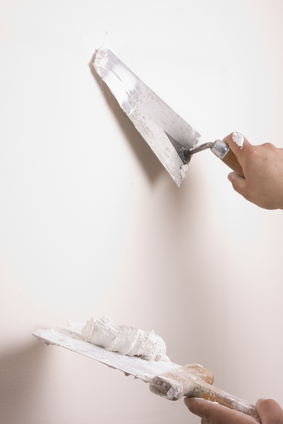
Ready to refresh your walls? If you live in Cleveland, OH, the smartest first step is professional drywall repair. Our lake-effect winters, summer humidity, and constant freeze–thaw cycles can turn tiny flaws into visible scars once paint hits the surface. If you want a smooth, durable finish, start with the foundation. If you already see problems, schedule expert drywall repair before you pick a color.
As a homeowner in neighborhoods like Lakewood, Tremont, Ohio City, or Cleveland Heights, you’ve probably seen fastener bumps, hairline cracks, or stained ceilings. Some issues can be patched. Others require a deeper fix so the paint job actually lasts. Here’s how to tell the difference and what a painter considers before opening a can of paint.
How Drywall Problems Show Up After Paint
Fresh paint behaves like a spotlight. It levels the sheen across a wall, which makes low spots, ridges, and stains easier to see. That’s why “good enough” patching often isn’t good enough in Cleveland homes, especially where natural light pours across long walls in places like West Park or Rocky River.
- Nail pops become little domes that you notice at night under the lamp light.
- Settlement cracks telegraph through paint as thin, jagged lines.
- Water stains bleed back, creating tan halos on ceilings and upper corners.
- Uneven textures show as islands of orange peel or knockdown that don’t match.
When paint reveals these flaws, your finish no longer looks crisp. The cure is targeted drywall repair, not another coat of paint.
Nail Pops vs. Settlement Cracks: What Cleveland Homes Experience
Nail pops and settlement cracks look similar from a few feet away, but they come from different causes. Newer builds in suburbs like Strongsville or Brunswick may show nail pops as wood framing dries and fasteners relax. Older homes around Shaker Square or Detroit–Shoreway might show settlement cracks where seams move seasonally.
Nail pops are small circles where a fastener has pushed the drywall surface outward. Settlement cracks usually form along joints or at door and window corners. Your painter will repair both, but the method matters. A quick skim over a nail pop may fail if the fastener isn’t reset. A hairline crack may reopen if the joint isn’t reinforced. In both cases, the goal is to stabilize first, then blend repairs so they disappear under paint.
When Patching Isn’t Enough
Spot patches help for tiny dents, but certain conditions point to larger repairs before painting:
- Widespread water staining or softness in the board
- Loose or bubbling joint tape
- Repeated cracks along the same seam
- Significant texture mismatches that show in daylight
In these cases, a professional at Optimal Painting will recommend cut-out and replacement, seam retaping with the right tape for the area, skim coating for a uniform plane, and careful texture matching. That process builds a stable surface, so finished paint looks consistent from corner to corner.
Water Damage Repair Steps Cleveland Homes Need
Basements near the lake, upstairs baths, and kitchens in older colonials see moisture more often. The priority is safety and stability, then appearance. A pro sequence typically includes:
- Verify and address the source of moisture so it won’t return.
- Remove compromised drywall, insulation, and any loose tape.
- Dry the cavity and confirm sound framing.
- Install a new board, retape, and skim for a flat plane.
- Prime with a stain-blocking primer before finish coats.
Two rules guide the work: fix the source of water first, and never paint over damp drywall. That’s how you avoid bleed-through and peeling later.
Texture Matching So Paint Looks Seamless
Many Cleveland homes mix textures: smooth walls in dining rooms, orange peel in hallways, knockdown on basement ceilings. If a repair doesn’t match the surrounding texture, your eye will land on it every time you enter the room. Proper texture matching controls droplet size, pressure, and material so the new area blends with the old once painted. This is especially important under bright window light in places like Westlake and Rocky River, where daylight makes mismatches obvious.
If you’re updating multiple rooms, your painter may recommend skim coating to create one uniform surface before painting. That’s the surest path to a premium finish across the home.
Prep Standards Pros Follow Before Painting
Professional prep is the difference between paint that looks great on day one and paint that still looks great on day one thousand. Here’s what quality prep in Cleveland usually includes:
Room protection comes first. Floors covered, furniture wrapped, and dust control set. Next, the team tackles repairs, from nail pops to seam work and corner bead fixes. After sanding, we use bright raking light to reveal any remaining flaws and spot-skim as needed. Finally, primer locks everything in and provides a consistent base so color lays down evenly.
Priming doesn’t hide mistakes. It exposes them. A seasoned crew expects to prime, recheck, then touch up before paint. That extra pass is why your walls look factory-smooth, not patchy.
Why Timing Matters In Cleveland’s Climate
Humidity rises in July and August, and winter brings dry, heated air that can move seams. Your painter considers these cycles when planning repairs so compounds cure well and joints stay stable. In older homes in Lakewood or Cleveland Heights, we might schedule seam-heavy rooms when indoor humidity is moderate, then move to lower-risk spaces as seasons change. The goal is to reduce stress on new seams and keep your final paint looking fresh through spring thaws and summer storms.
What Drywall Repair In Cleveland Should Include
If you’re comparing painters in Cleveland, focus on process, not just the number of patches. A strong drywall repair plan should include:
- Assessment of nail pops vs. settlement cracks and a plan to stabilize each
- Cut-out and replacement where water compromised the board
- Retaping with proper tape and compound for the location
- Full or partial skim coat so the sheen looks consistent in raking light
- Accurate texture matching before primer and paint
That’s the path to a finish that still looks new when the next Cavs season rolls around.
How Optimal Painting Protects Your Home
Every home and project is different, whether it’s a bungalow in Old Brooklyn or a colonial in Parma. Our crew sets up clean, contained work areas, communicates daily, and sequences rooms so you can keep living your life. We coordinate drywall repair with painting so you don’t end up with visible seams, flashing, or sheen jumps between patched and unpatched areas.
Planning an interior repaint? Explore our broader residential painting categories to see how wall prep, stain blocking, and trim finishes all connect to that final, flawless look. If exterior updates are on deck next, it’s smart to align interior and seasonal exterior painting windows so both last longer in Cleveland’s climate.
Signs You Need More Than A Patch
Not sure where your home stands? Here are common signals that a quick spackle won’t cut it:
- Multiple nail pops along a single stud line
- Cracks that return in the same spot each year
- Stains reappearing after regular primer and paint
- Large areas of loose tape or “blisters” under the surface
- Obvious texture islands that show under side lighting
If you see these, a pro repair brings the wall back to a stable starting point so your paint investment pays off. You can start by discussing targeted drywall repair and a room-by-room plan with our team.
Make Your Next Paint Job Count
The best paint jobs in Cleveland share a secret: they fix the wall before they color it. That means addressing movement, moisture, and mismatched textures until your surfaces are flat, clean, and ready. When your walls are right, color is easy. When they’re not, even the best paint won’t hide the truth.
Talk with Optimal Painting about a prep-first approach and a schedule that works for your home. Call us at 216-513-4221 to get started, or explore more services that keep your finish looking sharp season after season.
Get Your Painting Project Started With Our Cleveland Painting Services!
Or Fill Out Our Quick Form!