Best Deck Stain for Cleveland Weather: Semi-Solid vs. Solid Choices for Older Wood
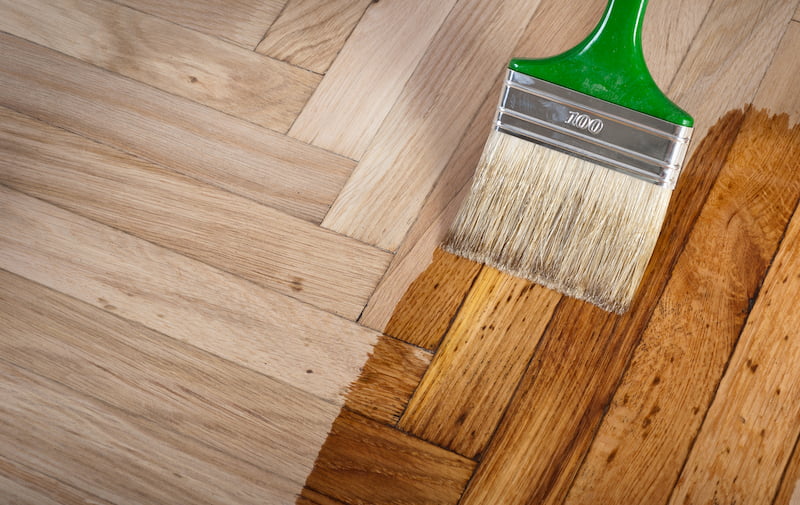
If your deck has lived through a few Cleveland winters, you have seen what rapid freeze-thaw and heavy summer humidity can do. Moisture sneaks into hairline checks, swells the wood, then tries to escape when the sun returns. That pressure breaks weak films and causes peeling. For older pressure-treated or cedar decking, a hybrid oil-latex semi-solid stain often performs better because it sinks in, adds UV pigment, and still lets the surface breathe. When you want a finish that stands up to our weather, talk with Optimal Painting about professional deck staining that is chosen and timed for Northeast Ohio conditions.
Why Cleveland’s Weather Punishes Older Decks
From late March through early June, Northeast Ohio swings between cold nights, lake-effect rain, and warm afternoons. Older boards take on water, then expand and contract as temperatures jump. In lakefront areas like Edgewater, Lakewood, and Euclid, cool onshore winds keep surfaces damp longer. In shaded yards across Shaker Heights or Parma, humidity lingers under rails and stairs where air moves less. All that trapped moisture is trouble for thick, film-forming coatings that cannot release vapor.
Season after season, this cycle opens tiny checks and nail pockets. When a heavy solid stain seals them tight, vapor has nowhere to go and starts lifting the coating. Semi-solid hybrids penetrate the grain and build a thinner, more flexible layer that tolerates movement and allows controlled vapor escape. That balance is what helps finishes last more than a season or two on weathered wood.
Semi-Solid Hybrid vs. Solid Topcoats on Weathered Wood
A lot of homeowners ask what lasts longer on older boards. The answer depends on how the coating handles moisture and UV. Here is a simple comparison for Cleveland decks:
- Hybrid oil-latex semi-solid: penetrates to anchor color, adds acrylic resins for durability, resists UV fading, and allows limited vapor release so boards can dry after rain.
- Budget solid topcoat: builds a heavy film, hides grain well, but seals surface pores so spring moisture gets trapped. That often leads to early peeling on lakefront or shaded decks.
Avoid cheap solid topcoats on lakefront decks where wind-driven spray and long dry times push moisture through the wood. If coverage is your goal because of graying or patchwork repairs, a high-quality product and pro application plan can help, but moisture management still comes first.
The Best Deck Stain for Cleveland Weather on Older Wood
For boards that already show sun-fade, checking, or past coating residue, a semi-solid hybrid is usually the safest bet. It tones down blotchy color, adds UV protection, and bonds into the surface so foot traffic and temperature swings do not break it apart. Many waterborne-alkyd blends used by pros in our region deliver deeper penetration on pressure-treated pine while keeping a tighter, more color-stable surface than transparent choices.
Solid stain still has a role when repairs, plugs, or deep discoloration must be hidden. The key is building a system that breathes as much as possible and never locks in spring moisture. Never trap moisture under a heavy film on horizontal boards that see standing water.
How To Tell If Your Deck Is Ready After Spring Rains
Timing is everything after our wet spring sequence. Before you schedule, use a simple water-droplet check to judge readiness. Pick a mid-morning to midday window on a dry, breezy day, and look at shaded boards that dry slowest.
- Sprinkle a few clean water droplets on a bare, weathered spot. If they absorb within a couple of minutes and the area darkens evenly, the wood is taking finish.
- If droplets bead on top or hang around without darkening the grain, the surface is still saturated or sealed by a prior coating. Let it dry longer or plan a pro evaluation.
Do not stain if water beads on the surface, especially on stairs and traffic lanes that took the brunt of winter melt. Older cedar rail caps and the first tread usually tell the truth about moisture faster than sunny center boards.
Color and Finish Choices That Work in Cleveland, OH
Sun and heat build quickly on south- and west-facing decks in July. Medium to medium-dark semi-solids help block UV without turning surfaces too hot for bare feet. Lighter grays and warm browns stay cooler on open decks in Rocky River or Avon Lake, while deeper tones can work well on covered porches or yards with afternoon shade.
Keep in mind that different parts of the same deck age at different speeds. Horizontal boards and stair noses wear faster than rails and balusters. A semi-solid hybrid helps blend these zones so maintenance cycles line up. If your siding has strong color or texture, choose a deck tone that supports it rather than competing with it. The goal is a balanced look that stays consistent through summer storms and fall leaves.
Local Wear Patterns We See Across Greater Cleveland
Every neighborhood has quirks. In Ohio City and Tremont, tight lots and tall trees create shade that invites mildew on the north and east sides of decks. Near the lake in Edgewater and Bratenahl, cool evening air raises relative humidity, so boards dry slowly after rain. In Parma, Fairview Park, and Mayfield areas with bigger lawns, open sun pounds the field boards while stairs stay damp under planters and grill covers. Matching stain opacity and resin type to these patterns is what keeps a finish together.
When a Solid Stain Still Makes Sense
Sometimes you need coverage. Heavy weathering, old fastener stains, or lots of patched areas can push a project toward a solid look. In those cases, the success of a solid finish in Cleveland comes down to preparation by a pro, product selection, and careful sequencing so boards are dry through the full thickness. Plan service after a dry, breezy stretch and keep furniture off the deck until the coating has built strength.
Want to learn more about opacity tradeoffs in our climate? See our local guide on transparent vs. semi-solid for NE Ohio weather and how it holds up from spring to snow.
Moisture Control the Professional Way
In Cleveland, the worst peeling often starts where snow sat the longest or where planters blocked air. Our crews plan service windows that let wood dry fully and select products that match your boards, exposure, and past coatings. On many homes, we schedule gentle cleaning first so the new finish can bond. If your project needs it, our team may handle surface washing ahead of service using professional pressure washing equipment set for wood-safe results.
When durability and curb appeal both matter, experience pays off. You can also learn why residents search for best deck stain for cleveland weather and choose a local team that understands freeze-thaw swings, lake-effect moisture, and real-world wear.
Lakefront vs. In-Town Decks: Small Differences That Add Up
Homes closest to Lake Erie deal with longer dry times and salt-like spray. In-town decks in Old Brooklyn or Cleveland Heights see more tree debris and morning dew. That means the same product can age differently from one block to the next. We factor in airflow under the deck, board spacing, and shade patterns so a semi-solid hybrid has the best chance to cure well and shed water instead of holding it.
For aging cedar, a semi-solid can quiet color variation while keeping texture. For older pressure-treated boards, it helps lock down splinter-prone fibers and adds pigment where you need UV control. Older cedar often benefits from a penetrating semi-solid that keeps its character visible without encouraging surface checking.
Ready to Refresh Your Deck the Right Way?
Protecting a well-loved deck in Cleveland takes more than color. It takes a system that respects how our climate moves water in and out of older wood. If your boards are grayed, patchy, or showing early peel, let Optimal Painting build a plan that fits your yard and your schedule. You will see the difference every time it rains.
Start by reviewing our approach to deck staining and refinishing that is designed for freeze-thaw stress and summer humidity. Or call us at 216-513-4221 to talk through timing after spring rains, color options, and the right product family for your wood. When you are ready, we will book a weather-smart window and get your outdoor space looking its best.
When you are serious about long-lasting protection, schedule your project with our Cleveland team. Our experienced painters, proven products, and weather-first planning help your finish last season after season. Let’s get your deck ready for summer with a smart, moisture-aware plan and a beautiful semi-solid finish through our deck refinishing service.
Get Your Painting Project Started With Our Cleveland Painting Services!
Or Fill Out Our Quick Form!